Human rights are universal, indivisible, interrelated, and inalienable. Women Deliver advocates for bodily autonomy and the full suite of sexual and reproductive health and rights (SRHR) for everyone, including adolescent girls, without discrimination, stigmatization, or barriers to access.
Feminist movements and women human rights defenders have fought for and secured extraordinary progress for women, girls, and gender-diverse people over the past 30 years. However, this progress is being fundamentally threatened by coordinated and well-funded anti-rights movements, protracted conflicts, neoliberal and neocolonial financial systems, mis- and disinformation both on and offline, and shrinking civil society space. SRHR, bodily autonomy, and even gender equality itself are now at risk of retrogression and rollback.
Multilateral systems, once designed and envisioned to respect, protect, and fulfill the rights of all, are being fractured by the disregard for international law and persistent double standards.
In this context, we are actively advancing international norms and standards on SRHR for all, without discrimination or distinction, and with accountability at the center.
To do this, we are:

Successfully advancing norms and standards related to gender equality and SRHR, including relating to climate justice, adolescent girls, and bodily autonomy.
Defending international human rights norms, laws and standards from attempts at retrogression, including so-called “parental rights” or “family rights” that seek to curtail the rights of women and girls.

Holding all governments accountable to their human rights obligations and commitments to girls and women.
Supporting and strengthening “middle ground” support for gender equality, SRHR, and the bodily autonomy of girls and women.
Extending transnational and cross-movement solidarity with all women human rights defenders and adjacent movements to mobilize and sustain a united, collective movement that recognizes that all human rights are universal, inalienable, and indivisible.
Working collectively with partners to carry forward and build with the Melbourne Declaration for Gender Equality, a shared commitment to rebalance power, resources, and accountability toward girls, women, and gender-diverse people.
Women Deliver’s Impact on SRHR and Bodily Autonomy
-
 Individual
Matthew (Blaise) Nwozaku
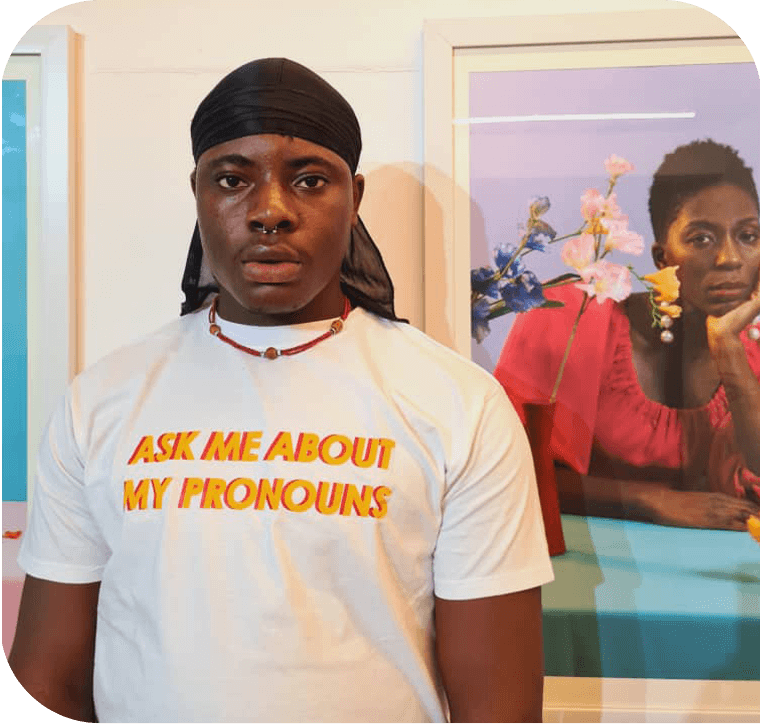
With the End Homophobia in Nigeria campaign, Women Deliver Small Grantee and Young Leader Alum Matthew (Blaise) Nwozaku, along with their team, set out to identify and strategically tackle the pillars of homophobia in Nigeria with a multilateral-policy-focused approach.
This included the use of digital media activism, hosting five safe space events, and liaising with policy influencers to push the needle towards a more equitable society for LGBTQIA+ people in Nigeria. They also collected and distributed menstrual and sexual health kits and emergency support to LGBTQIA+ people in need, particularly gender-affirming resources.
-
 Collective Action
The Melbourne Declaration for Gender Equality
Women Deliver and partners around the world co-created the Melbourne Declaration for Gender Equality, a shared, signable commitment to rebuild the way gender equality work is done. Built through global consultations with more than 900 people across regions, generations, and movements, the Declaration calls for power, resources, and accountability to be rebalanced toward people. It is now being carried forward as a working tool for advocacy, funding, organizing, policy, and practice.

-
 Global Spaces
Women Deliver is vocally advancing human rights norms and standards on SRHR and bodily autonomy,
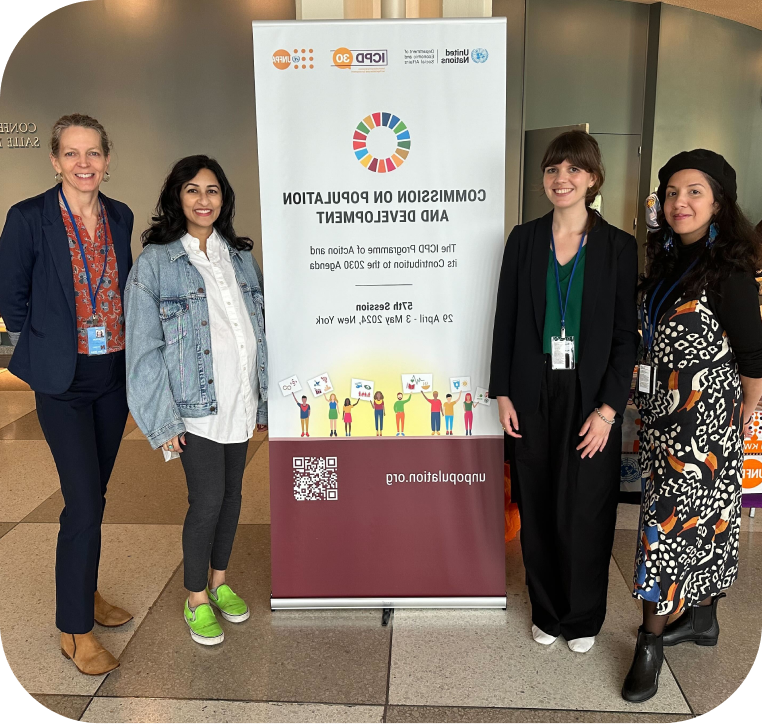
including historically neglected issues and underserved rights-holders or communities. This includes acting in solidarity with and amplifying sex worker movements and activists, and advancing a human rights-based approach to surrogacy based on rigorous analysis and consultations with affected parties. This approach calls for decriminalization of surrogacy and implementation of human rights-based regulatory regimes that center bodily autonomy and reproductive autonomy for all.
Matthew (Blaise) Nwozaku
With the End Homophobia in Nigeria campaign, Women Deliver Small Grantee and Young Leader Alum Matthew (Blaise) Nwozaku, along with their team, set out to identify and strategically tackle the pillars of homophobia in Nigeria with a multilateral-policy-focused approach.
This included the use of digital media activism, hosting five safe space events, and liaising with policy influencers to push the needle towards a more equitable society for LGBTQIA+ people in Nigeria. They also collected and distributed menstrual and sexual health kits and emergency support to LGBTQIA+ people in need, particularly gender-affirming resources.
The Melbourne Declaration for Gender Equality
Women Deliver and partners around the world co-created the Melbourne Declaration for Gender Equality, a shared, signable commitment to rebuild the way gender equality work is done. Built through global consultations with more than 900 people across regions, generations, and movements, the Declaration calls for power, resources, and accountability to be rebalanced toward people. It is now being carried forward as a working tool for advocacy, funding, organizing, policy, and practice.
Women Deliver is vocally advancing human rights norms and standards on SRHR and bodily autonomy,
including historically neglected issues and underserved rights-holders or communities. This includes acting in solidarity with and amplifying sex worker movements and activists, and advancing a human rights-based approach to surrogacy based on rigorous analysis and consultations with affected parties. This approach calls for decriminalization of surrogacy and implementation of human rights-based regulatory regimes that center bodily autonomy and reproductive autonomy for all.