Adolescent girls’ rights
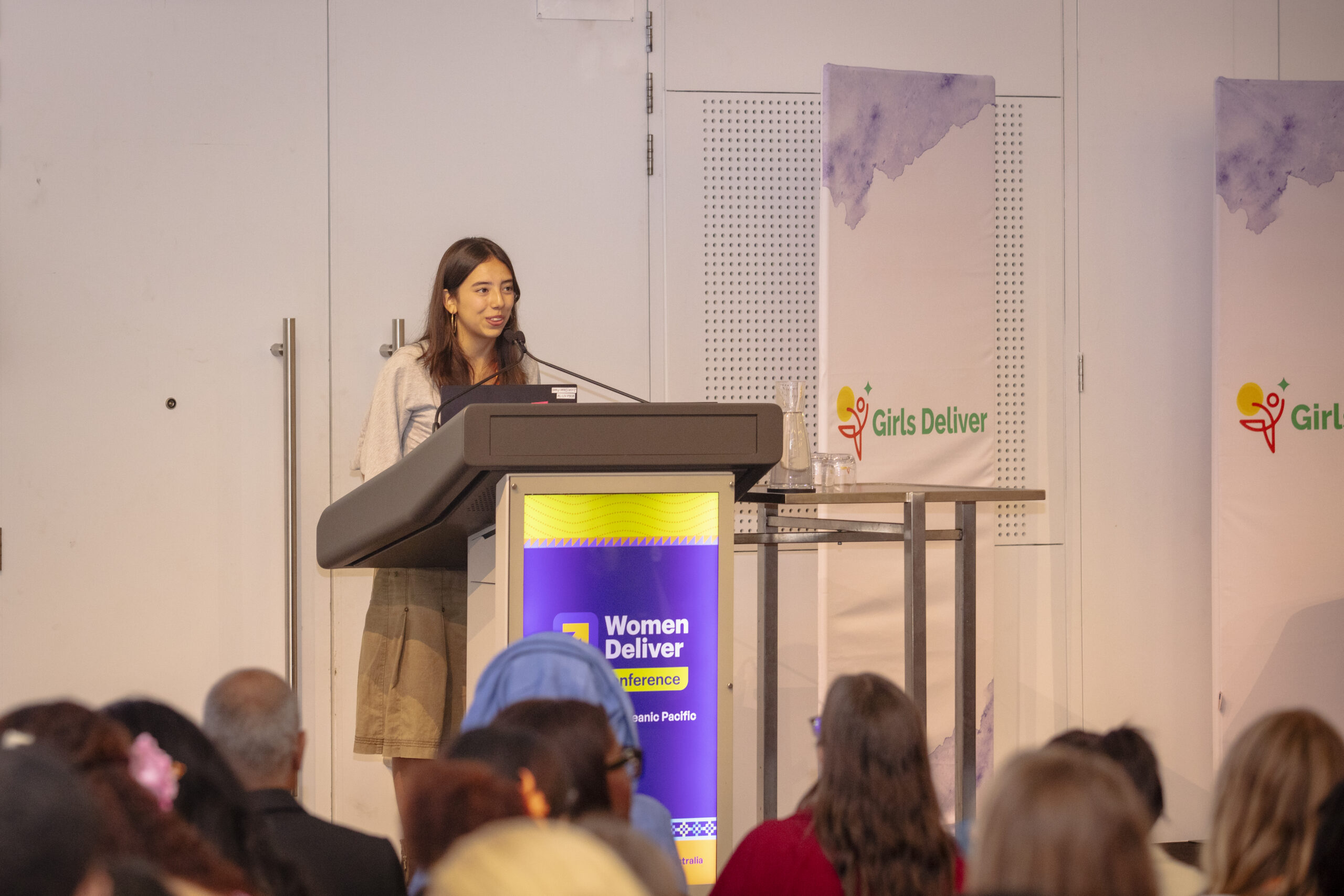
Adolescent girls are a distinct and diverse constituency with rights, agency, and political power. Yet they are often grouped broadly with children or young people, leaving their specific rights and needs overlooked and excluding them from decisions about their bodies and lives. As anti-rights movements attack comprehensive sexuality education, health, sexual and reproductive health and rights, and bodily autonomy, recognizing adolescent girls as rights-holders and leaders is increasingly urgent.
Women Deliver co-founded and co-leads the Girls Deliver community, which brings civil society, funders, multilateral agencies, and adolescent girl and youth leaders together around a shared agenda. The girl-authored Manifesto for Adolescent Girls’ Rights: A New Narrative translates the Melbourne Declaration’s calls for accountability and action into a political agenda for adolescent girls’ rights. It advances a new narrative that recognizes girls’ agency and leadership, calls on States as duty-bearers to fulfill girls’ rights, and seeks changes in the systems, policies, funding, and leadership models that shape their lives. The Adolescent Girls Era provides a collective strategy for advancing this vision.
Together with partners, Women Deliver helps build political will for this new narrative, strengthen coordination and accountability, and mobilize greater political recognition and funding for girls’ rights. We convene partners at critical moments, with adolescent girls shaping and leading the work.
Explore the Adolescent Girls Era →Global health
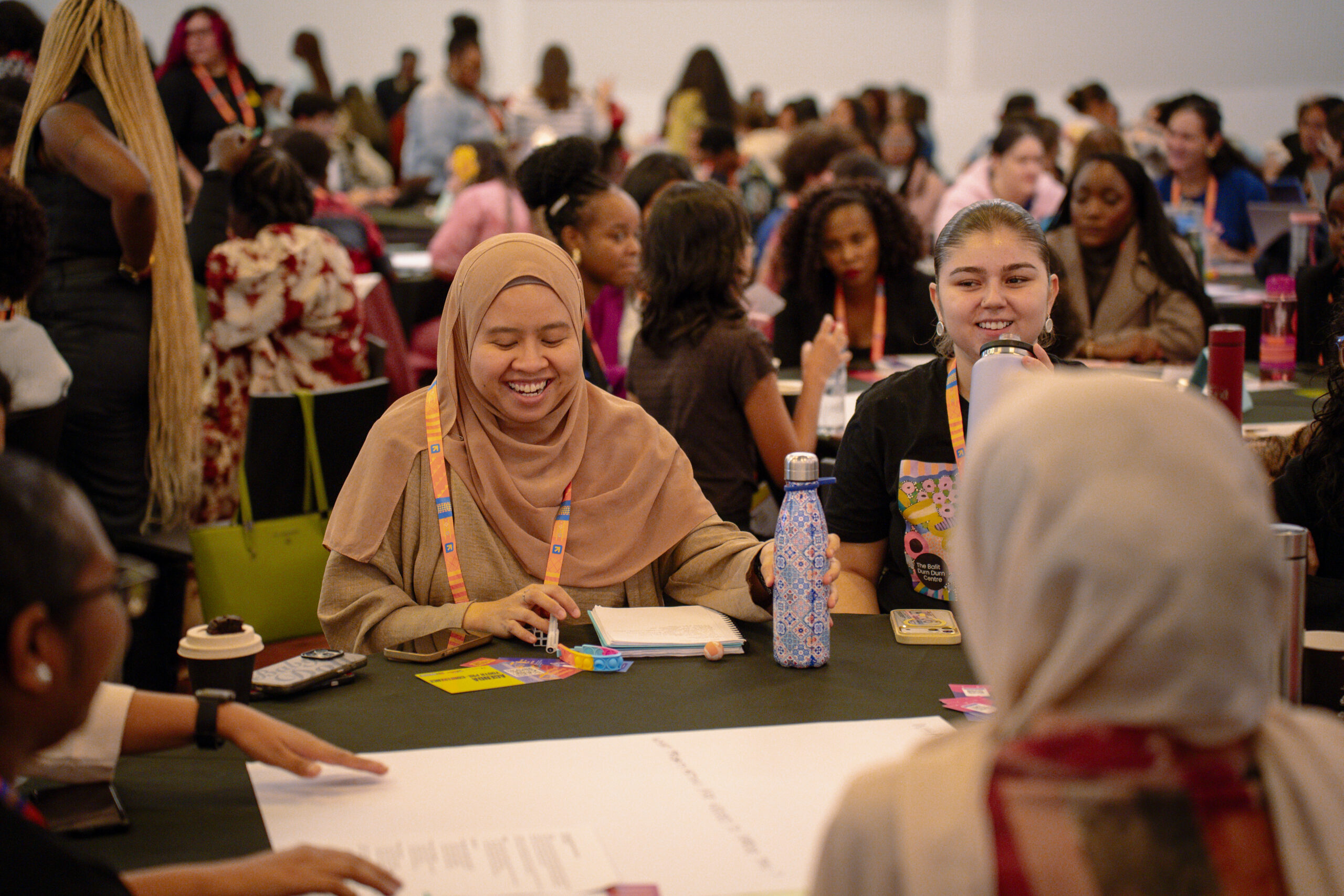
Health systems are shaped by power: who receives care, who makes decisions, whose knowledge counts, and whose needs are prioritized. Many systems reproduce inequality, exclude affected populations from decision-making, and fail to deliver the right to health — including comprehensive sexual and reproductive health and rights — for everyone.
The Feminist Health Systems Charter applies the Melbourne Declaration’s vision directly to health. It translates the Declaration’s focus on State responsibility, public accountability, and the leadership of those most affected by injustice into shared principles for how health systems should be designed, governed, financed, delivered, and held accountable.
Women Deliver works with partners to build political support for this vision, connect actors across the health and gender equality ecosystems, and strengthen collective advocacy and accountability. Our goal is to advance health systems that are feminist, rights-based, people-centered, inclusive, and accountable to the people they serve — especially girls, women, and gender-diverse people.
Climate
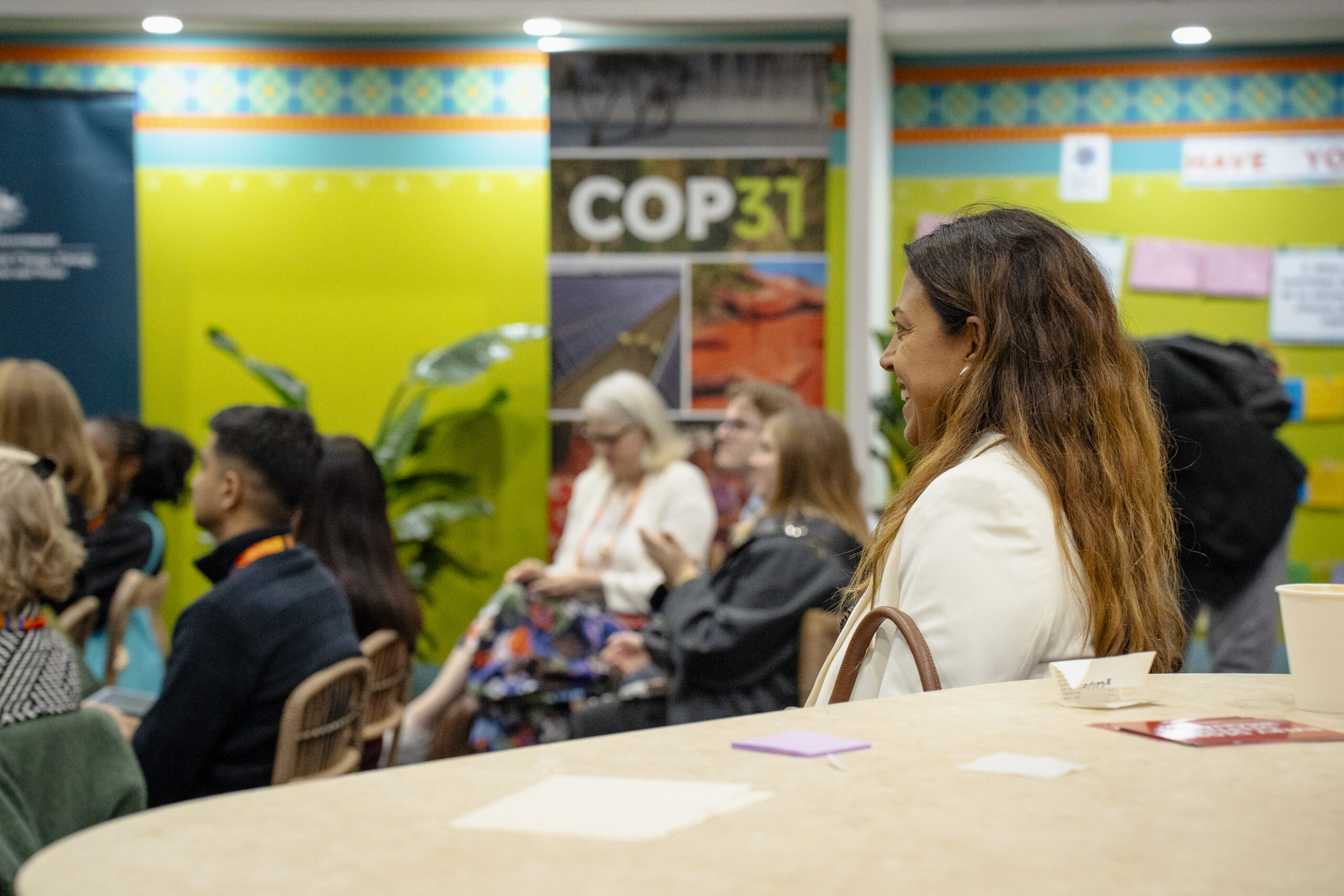
The climate crisis is an environmental, governance, human rights, and gender justice challenge. Those who have contributed the least — including girls, women, gender-diverse people, and Indigenous Peoples — often face its greatest consequences. At the same time, fragmented systems can make it difficult for movements to coordinate, respond to changing political contexts, and sustain collective action.
Applying the Melbourne Declaration to climate means centering States’ human rights obligations and accountability in the climate response, while strengthening the leadership, connections, and collective power of movements already driving this work. Women Deliver works with feminist, climate, Indigenous, youth, legal, and human rights actors to build shared political understanding, strengthen relationships and accountability, and connect emerging climate legal frameworks with advocacy, implementation, and funding.
By strengthening this connective infrastructure, we help create the conditions for movements to coordinate, share learning, respond collectively to crises, and sustain cross-regional solidarity in pursuit of feminist climate justice.
What connects our work
These issue areas show how the Melbourne Declaration can move from a shared political vision to concrete agendas for change. Its core principles — States fulfilling their human rights obligations, those most affected by injustice shaping decisions, movements having the power and resources to lead, and stronger collective voice and public accountability — take specific forms within adolescent girls’ rights, global health, and climate.
The political direction is shared, while the strategies, priorities, and leadership remain grounded in the movements and partners working within each issue.
