Melbourne Declaration for Gender Equality
The Melbourne Declaration for Gender Equality is a shared, signable commitment to rebuild the way gender equality work is done. Built by more than 900 people across every region of the world, it calls for power, resources, and accountability to be rebalanced toward people — and for States, movements, funders, institutions, and allies to act together for a gender-just future.
Our Vision for Change
The Declaration calls for the gender equality ecosystem to be rebalanced toward accountability, rights, and people. It sets out a shared direction: States fulfilling their human rights obligations; feminist movements and civil society having the resources, space, safety, and legitimacy to hold power to account; and the wider ecosystem aligning its resources and influence behind that work.
States uphold human rights
States respect, protect, and fulfill human rights for all people — including the rights to freedom, safety, bodily autonomy, and equal opportunity.
Movements hold power to account
Feminist movements and civil society have the resources, space, safety, and legitimacy to push for implementation and hold States and institutions accountable.
The ecosystem aligns behind the work
Funders, institutions, and allies align their resources, partnerships, and influence behind feminist movements, civil society, and the people this work answers to — helping turn shared demands into lasting accountability.
A Collective Journey Forward
Launched at the Women Deliver 2026 Conference in Narrm/Melbourne, the Declaration is not a static document or a one-time statement. It is a living commitment that is already being carried into strategies, funding decisions, advocacy, and organizing around the world.
This work belongs to everyone who builds with it. Read it, endorse it, use it, and help turn shared commitment into collective action.
Growing Global Support
Every endorsement strengthens the shared standard the Declaration sets. Together, individuals, organizations, movements, and communities are building public pressure for rights, resources, and accountability.
Endorsements
Individuals and organizations standing together for gender equality, justice, and accountability.
Organizations
Civil society organizations, movements, institutions, and allies using the Declaration to build what comes next.
Alongside the Melbourne Declaration, the Joint Declaration for States provides a separate, government-owned channel for States to endorse and advance related priorities.
Countries endorsing the States Declaration so far include:
More governments are invited to stand publicly behind the Declaration’s call for accountability, rights, and gender equality.
Key Documents
The Melbourne Declaration is part of a wider set of documents designed to move from shared vision to practical action.
The shared commitment to rebalance power, resources, and accountability toward people.
Read the Declaration
The rationale behind the Declaration’s commitments and how they should be taken forward.
Read the Guide
A government-owned channel for States to publicly support and act on the Declaration’s priorities.
Read the States DeclarationAdditional WD2026 Documents
At WD2026, three sister documents were released, translating the Declaration’s principles into specific movement-led agendas.
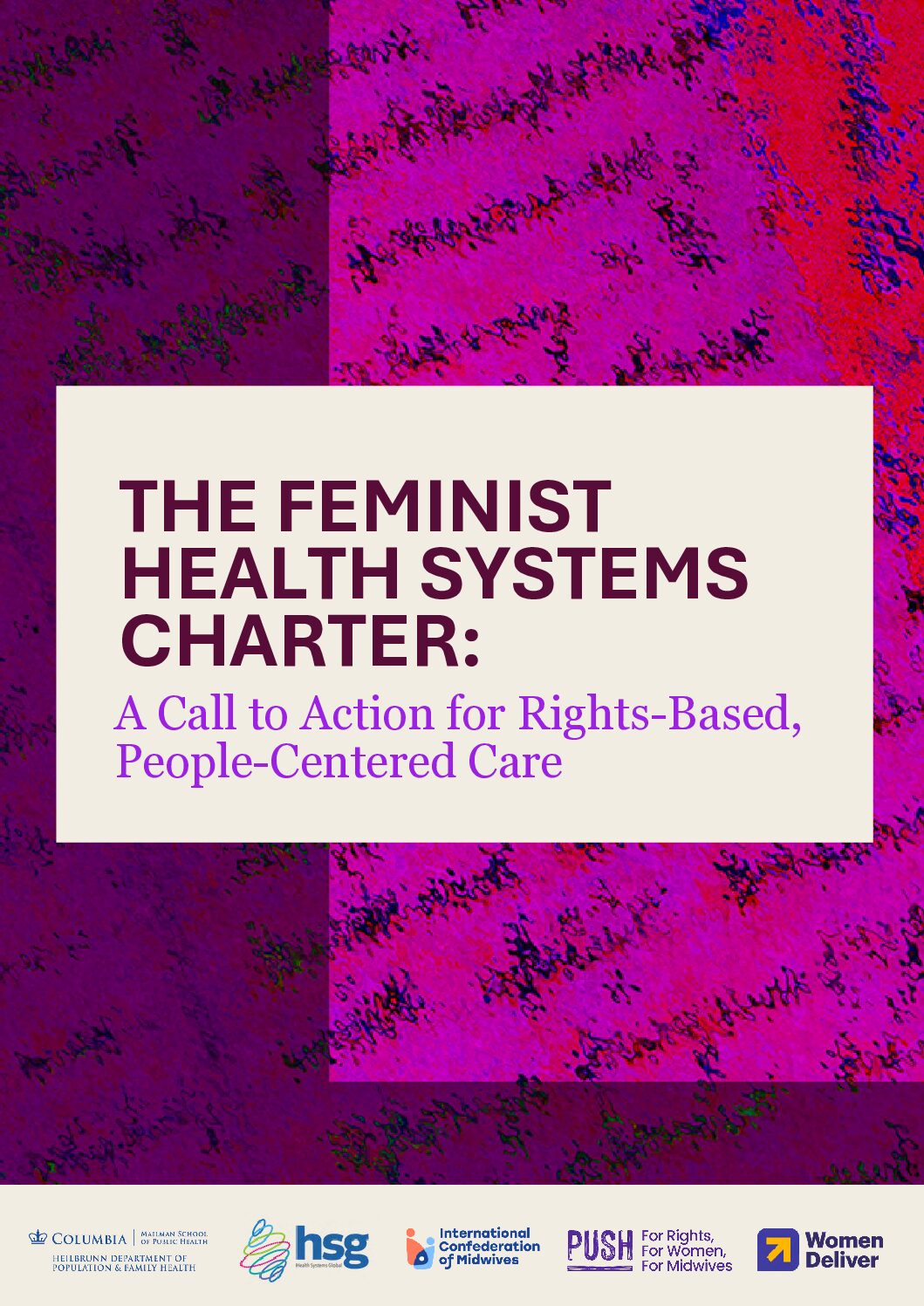
The Feminist Health Systems Charter
Read it here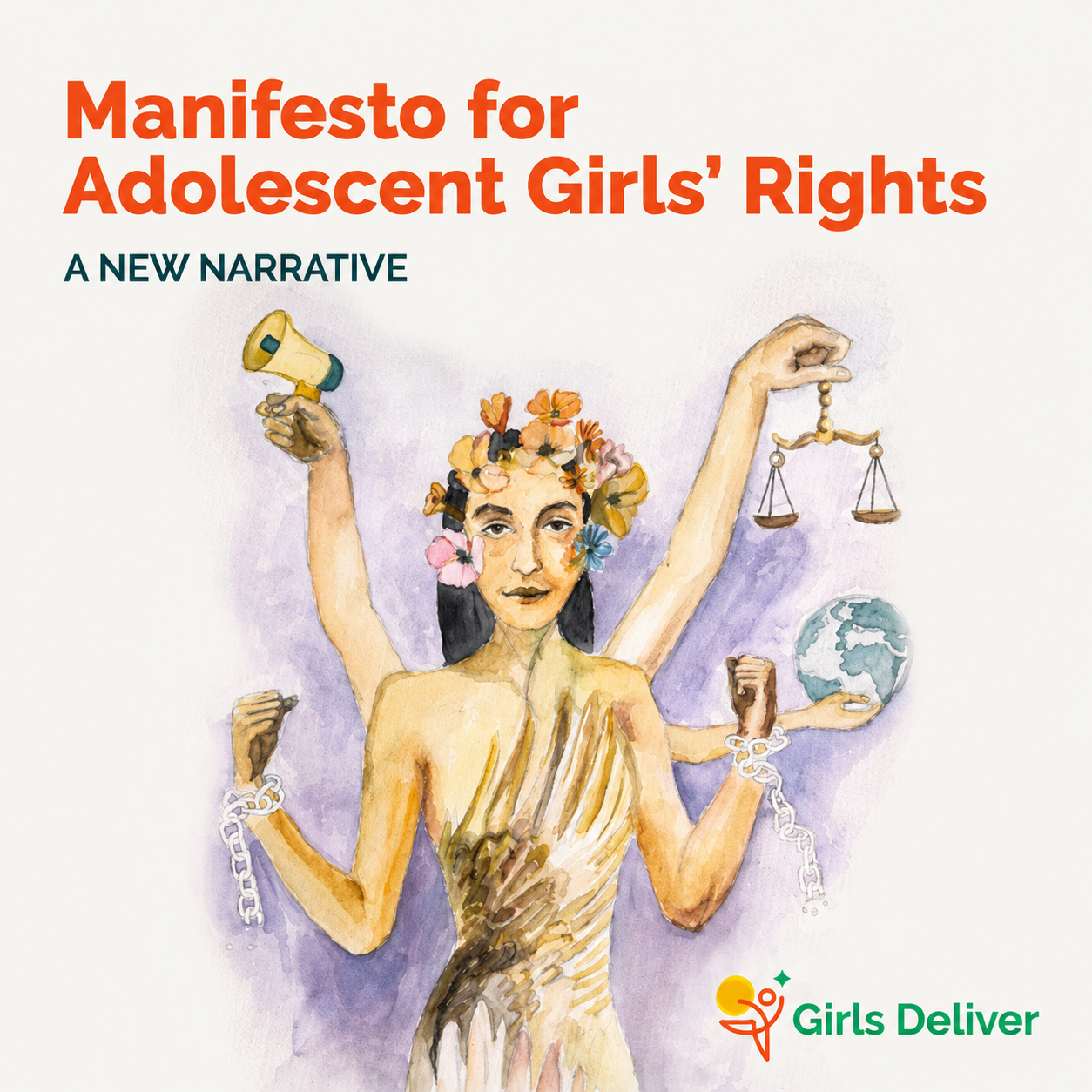
The Adolescent Girls’ Manifesto
Read it here
First Nations, Indigenous Women’s Statement
Read it here
The Story Behind the Declaration’s Visual Identity
The Melbourne Declaration’s visual identity was created in the same spirit as the Declaration itself: collectively. It was shaped by conversations with hundreds of WD2026 delegates about how the gender equality sector sees itself, what feels tired or overused, and what this Declaration needed to feel like.
Because when people can see themselves in a movement, and understand what it is asking for, they are more able to join it.
The identity is bold by design. Previous declarations and archival imagery appear in the background to acknowledge the history that brought us here, including the progress made, the lessons learned, and the commitments still waiting to be fulfilled.
Mixed typography and overlapping shapes reflect many voices and perspectives coming together around a shared direction, without becoming the same. The bright colors are intentional too: the Declaration is not meant to look quiet or institutional. It is asking for real accountability and real change.
News
Explore media coverage of the Declaration, the commitments made around WD2026, and the questions now facing the gender equality ecosystem.
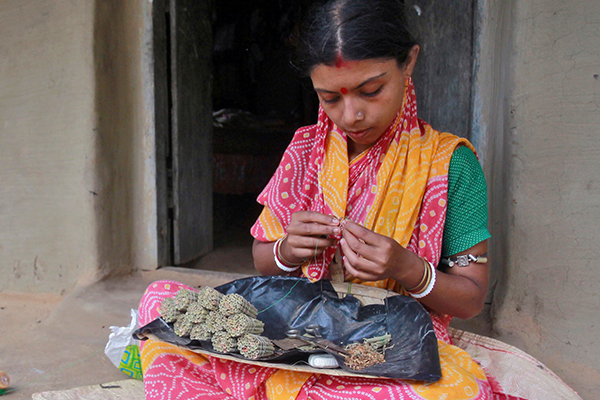
Can promises on gender equality made in Australia help a 16-year-old Indian cigarette maker with no toilet?
Read it here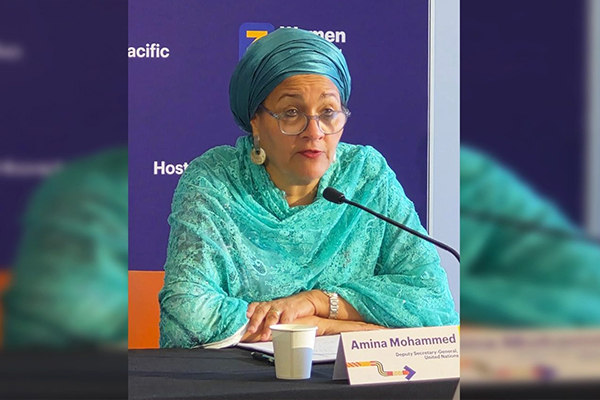
Amina Mohammed reiterates gender inequality as Melbourne Declaration sets global agenda
Read it here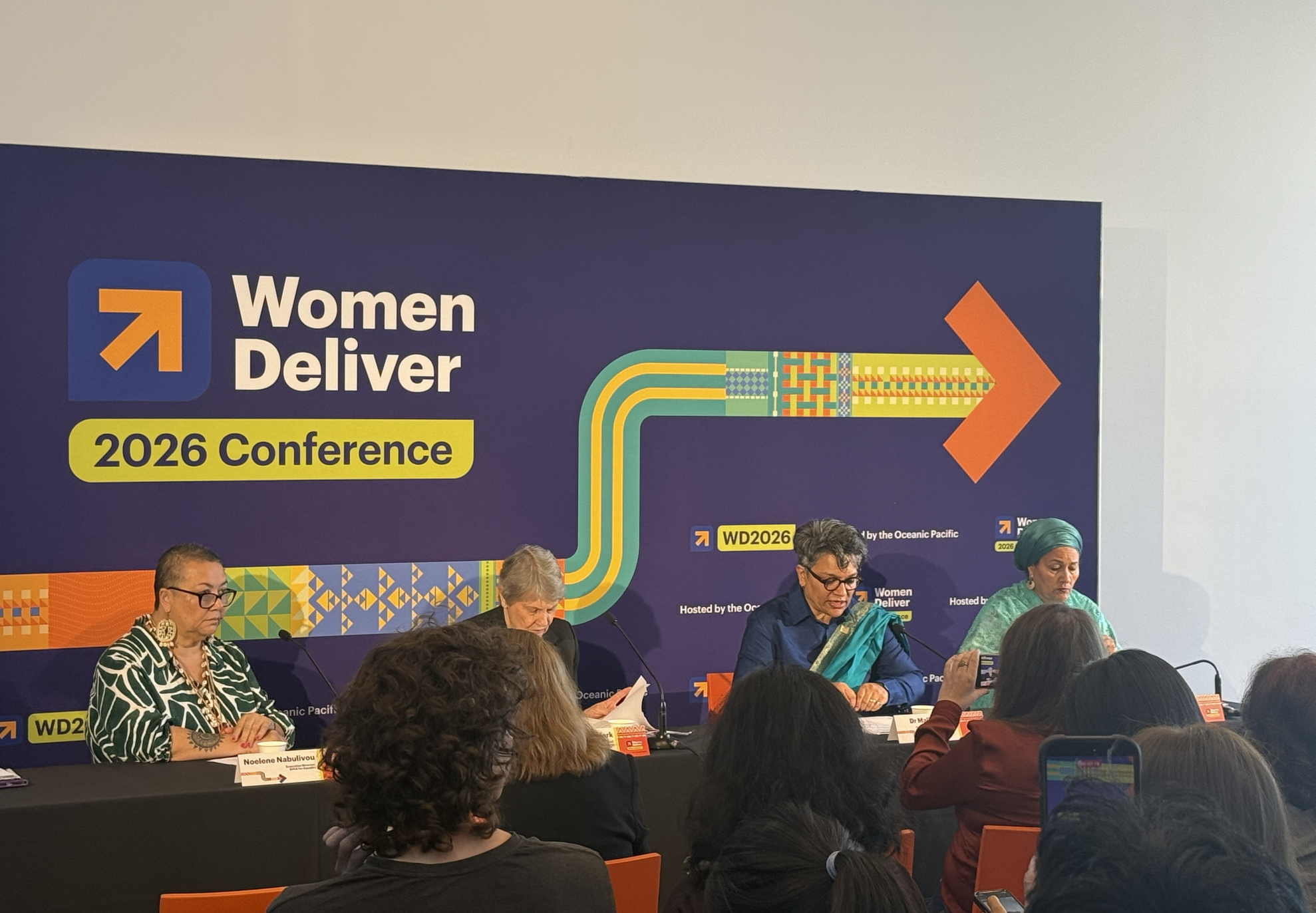
Rebalancing Power: What the Melbourne Declaration Reveals About the Crisis in Gender Equality
Read it here
Why “Melbourne Declaration”?
The Declaration was launched at WD2026 in Narrm/Melbourne, on the lands of the Wurundjeri Woi Wurrung people of the Kulin Nation.
It carries the name “Melbourne Declaration” rather than “Narrm Declaration” because the local First Nations community wished to preserve “Narrm” for their own use.
Respecting that choice is part of what the Declaration calls for: following the lead of those most affected, honoring self-determination, and ensuring that shared work does not take what is not ours to claim.
The Journey Behind Us
The Declaration was not written behind closed doors. Learn how more than 900 people across regions, generations, and movements shaped this shared commitment.
Learn more and explore the journey behind usThe Melbourne Declaration in Focus
Watch an overview of the Melbourne Declaration for Gender Equality, the collective vision behind it, and how people and organizations can use it to advance rights, resources, and accountability.
